

How to Fix AC Cooling Issues: Troubleshooting Your AC When It’s Not Cooling

Updated: Jun 17
When your air conditioner stops cooling properly, it can quickly turn your comfortable home or business into an uncomfortable space. I’ve seen many cases where a simple fix can restore cool air without the need for expensive repairs or replacements. In this post, I’ll walk you through practical steps to diagnose and fix common AC cooling problems. These tips are straightforward and designed to help you get your system back to working efficiently.
Common Causes and How to Fix AC Cooling Issues
If your AC is running but not cooling, the problem could be one of several common issues. Here’s what I recommend checking first:
Dirty Air Filters: A clogged filter restricts airflow, making it harder for your AC to cool the air. Replace or clean your filters every 1-3 months depending on usage.
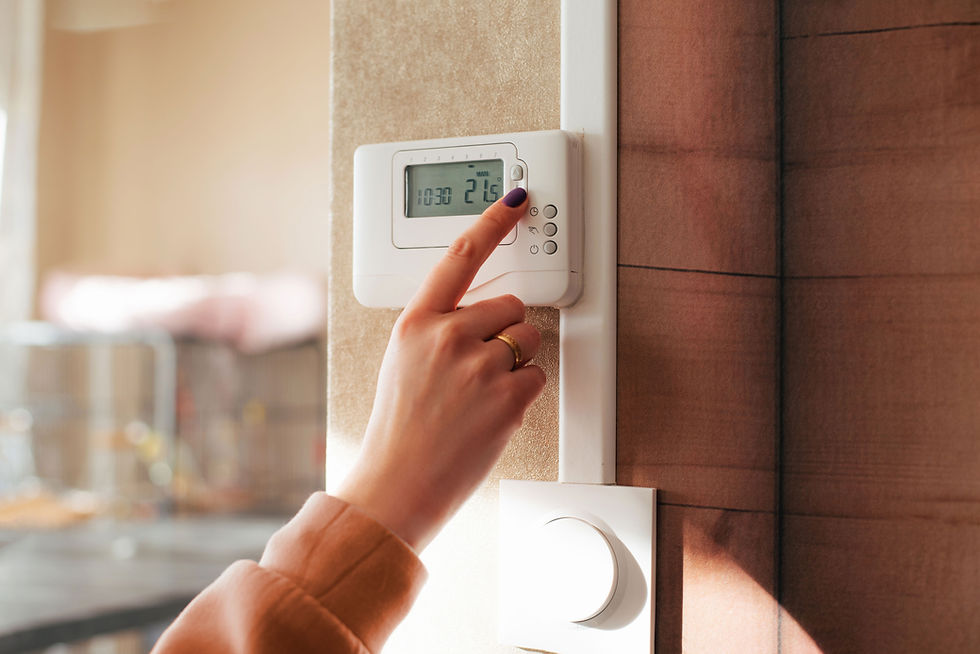
Thermostat Settings: Double-check that your thermostat is set to “cool” and the temperature is lower than the current room temperature.
Blocked or Closed Vents: Make sure all supply vents are open and unobstructed. Closed vents reduce airflow and can cause uneven cooling.
Refrigerant Levels: Low refrigerant means your AC can’t absorb heat effectively. This usually requires a professional to check and recharge.
Dirty Condenser Coils: The outdoor unit’s coils can get dirty or covered with debris, reducing heat transfer. Cleaning the coils can improve cooling performance.
Frozen Evaporator Coils: Ice buildup on coils can block airflow. This often happens due to low refrigerant or poor airflow from dirty filters.
By addressing these issues, you can often restore your AC’s cooling power without delay.

How to Fix AC Cooling Issues Step-by-Step
Here’s a simple checklist to follow when your AC is not cooling:
Turn off the AC and inspect the air filter. Replace it if it looks dirty or clogged.
Check the thermostat settings. Make sure it’s on “cool” and set to a temperature at least 5 degrees lower than the room temperature.
Inspect all vents and registers. Open any closed vents and remove any furniture or objects blocking airflow.
Look at the outdoor condenser unit. Clear away leaves, dirt, or debris around it. If the coils look dirty, gently clean them with a garden hose (power off the unit first).
Check for ice on the indoor evaporator coil. If you see ice, turn off the AC and let it thaw. This may indicate a refrigerant leak or airflow problem.
Listen for unusual noises. Grinding or rattling sounds can signal mechanical issues that need professional attention.
If these steps don’t restore cooling, it’s time to call a trusted HVAC technician. They can perform a detailed diagnosis and handle refrigerant or mechanical repairs safely.

What is the 3 Minute Rule for Air Conditioners?
The 3 minute rule is a simple guideline to protect your AC system from damage. After turning off your air conditioner, wait at least 3 minutes before turning it back on. This pause allows the pressure inside the system to equalize and prevents the compressor from short cycling.
Short cycling can cause excessive wear and tear on your AC’s compressor, leading to costly repairs or early failure. If you find yourself frequently waiting to restart your AC, it may be a sign of an underlying problem like a faulty thermostat or refrigerant issue.
Following the 3 minute rule helps extend the life of your system and keeps it running smoothly.
When to Call a Professional for AC Cooling Problems
While many AC issues can be fixed with basic maintenance, some problems require professional expertise. Here are signs that it’s time to get expert help:
Your AC runs but never reaches the set temperature.
You notice water leaking around the indoor unit.
The system frequently turns on and off (short cycling).
There is a burning smell or unusual noise coming from the unit.
You suspect a refrigerant leak or see ice buildup that returns after thawing.
The outdoor unit’s fan is not spinning or the compressor won’t start.
A licensed HVAC technician can safely handle refrigerant, electrical components, and mechanical repairs. They also have the tools to perform a thorough inspection and recommend the best solution for your cooling needs.
If you're interested in ensuring your air conditioning system runs smoothly, consider exploring our Maintenance Plan. Regular maintenance can prevent issues and keep your AC functioning efficiently.
Maintaining Your AC for Long-Term Comfort and Efficiency
Preventing cooling problems starts with regular maintenance. Here are some practical tips to keep your AC running efficiently year-round:
Replace or clean air filters every 1-3 months.
Schedule annual professional tune-ups to inspect refrigerant levels, clean coils, and check electrical components.
Keep the outdoor condenser unit clear of debris, plants, and dirt.
Use ceiling fans to help circulate air and reduce the load on your AC.
Seal windows and doors to prevent cool air from escaping.
Consider upgrading to a programmable thermostat for better temperature control.
By staying proactive, you can avoid unexpected breakdowns and enjoy consistent comfort through the hottest months.
Taking the time to troubleshoot and maintain your air conditioner can save you money and stress. When your AC is not cooling, start with these practical steps and know when to call in the professionals. Reliable cooling is essential for comfort, and with the right care, your system will keep your home or business comfortable for years to come.


Comments