

Indoor Air Quality Improvement Tips in Hampton Roads: Effective Ways to Improve the Air in Your Home

The Standard You Don’t See—But Always Feel

In Hampton Roads, the indoor air quality in your home is shaped by more than design.
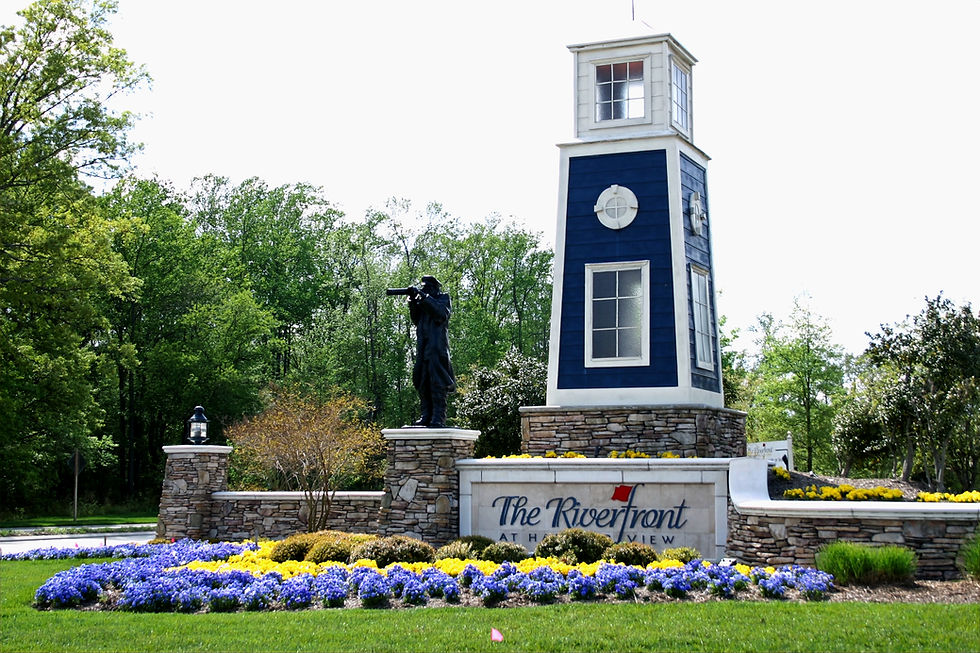
From waterfront properties in Suffolk’s Riverfront to homes throughout the Peninsula, these spaces are built to feel balanced, clean, and consistent.
But what defines that experience isn’t just temperature.
It’s the air itself.
And in this region, maintaining that standard requires more awareness than most homeowners realize.
Why This Matters in Hampton Roads
Hampton Roads presents a unique environmental baseline that directly impacts indoor air quality:
Elevated humidity for much of the year, often exceeding 60–70%
Extended pollen seasons spanning spring through fall
Proximity to water, increasing airborne moisture and microbial growth potential
Mild seasonal transitions that allow allergens to persist longer
These conditions don’t create immediate problems.
They create subtle, ongoing pressure on the air inside your home.

What Homeowners Notice First
In well-designed homes, changes in air quality are rarely obvious at first.
They tend to show up as:
A shift in how the home feels—less crisp, slightly heavier
Humidity that never quite settles, even when temperatures are correct
Fine dust returning quickly after cleaning
A subtle, lingering presence in the air
Allergy symptoms that improve when you leave the home
These aren’t failures.
What’s Happening Behind the Scenes
Your HVAC system is doing more than heating and cooling.
It is constantly:
Circulating air throughout the home
Filtering airborne particles
Managing humidity levels
Influencing airflow between spaces
When properly calibrated, this process is invisible.
When it’s not, air begins to recirculate without being fully cleaned or balanced.
In Hampton Roads, that distinction matters more.
Understanding the Conditions in Hampton Roads
This region experiences one of the longer and more persistent allergen cycles on the East
Coast:
Tree pollen: peaks early spring (March–May)
Grass pollen: extends into late spring and summer
Ragweed: carries symptoms into fall
Combined with elevated humidity:
Particles remain suspended in the air longer
Moisture allows allergens to adhere to surfaces and ductwork
Air systems can continuously recirculate contaminants if not properly filtered
As noted in our original guidance, indoor air often contains dust, allergens, mold spores, and outdoor pollutants that enter the home
In Hampton Roads, those factors are amplified by the environment itself.
Maintaining the Standard Inside the Home
Improving air quality isn’t about a single solution.
It’s about maintaining alignment across key elements:
Foundational Practices
Keeping humidity levels balanced (ideally between 30–50%)
Replacing filters consistently
Maintaining HVAC systems regularly
Managing ventilation where possible
Performance Enhancements
High-efficiency filtration systems for finer particles
Whole-home dehumidification to stabilize moisture levels
Air purification systems to reduce airborne contaminants
Airflow adjustments to eliminate stagnant zones
These aren’t reactive fixes.
They’re refinements that maintain consistency over time.
Local Insight
Humidity in Hampton Roads often remains above 60% for extended periods.
At that level, airborne particles—including allergens and dust—stay suspended longer and are more likely to circulate continuously through your home.
What to Expect From a Professional Approach
A proper evaluation goes beyond temperature.
It should include:
Humidity measurements throughout the home
Airflow balance between rooms and levels
Filtration effectiveness based on local conditions
Inspection of coils, ductwork, and system cleanliness
Ventilation performance and fresh air integration
And just as important:
Clear communication and options
Respect for the home during service
Consistent, detail-oriented execution
Because at this level, the process matters just as much as the result.
The Environment You Experience Every Day

Homes in Hampton Roads are designed to feel a certain way.
Calm. Balanced. Effortless.
When air quality is properly managed, that experience remains consistent—without drawing attention to itself.
And when it isn’t, the difference is felt before it’s seen.
Final Thoughts
Indoor air quality in this region isn’t a secondary concern.
It’s a foundational part of how your home performs.
Humidity, allergens, and environmental exposure create a constant baseline your system must manage.
When everything is aligned, it works quietly in the background.
And that’s exactly how it should be.
Stay Ahead of It
For homeowners who prefer a proactive approach, we share:
Seasonal insights specific to Hampton Roads
Practical guidance for maintaining indoor air quality
Behind-the-scenes knowledge from real service experience
It’s a measured, consistent approach—designed to protect the environment inside your home.
Join the mailing list to receive updates built around long-term comfort and performance.


Comments