

An Overview of Gas Furnace Pressure Switches

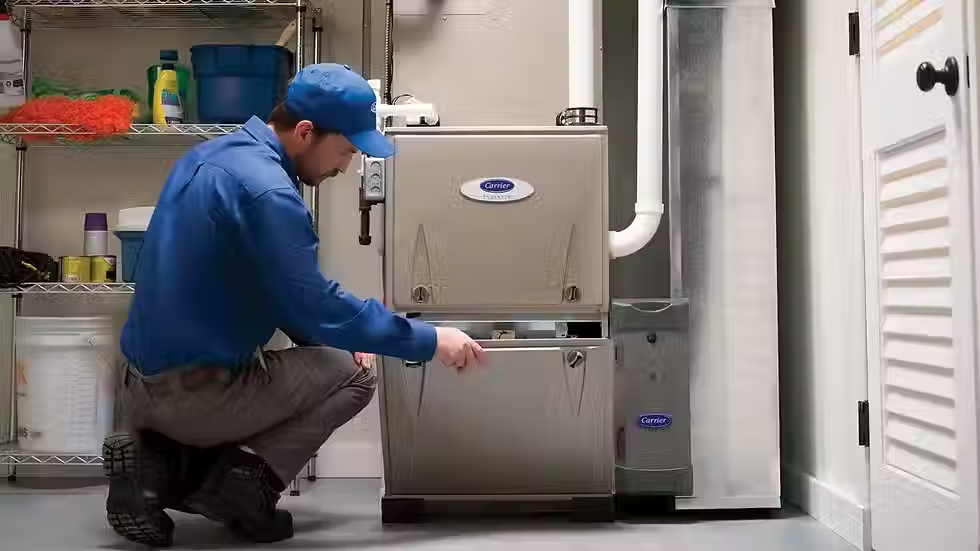
Gas furnaces include several built-in safety components designed to protect both your home and the heating system itself. One of the most important of these safety devices is the furnace pressure switch.
If the pressure switch detects unsafe operating conditions, it automatically shuts down the furnace to prevent damage or dangerous situations such as exhaust gas leaks.
Understanding how this small component works can help homeowners better recognize heating problems and know when it’s time to call an HVAC professional.
What Does a Furnace Pressure Switch Do?
A furnace pressure switch monitors the airflow and venting pressure within the furnace system. Its primary role is to confirm that the draft inducer fan is properly venting combustion gases outside the home.
If the switch detects improper pressure levels, it prevents the furnace from starting or shuts the system down.
This helps protect homeowners from dangerous conditions such as:
Carbon monoxide entering the home
Blocked exhaust vents
Mechanical furnace failures
In other words, the pressure switch ensures the furnace operates safely before allowing the burners to ignite.
Situations That Trigger the Pressure Switch
Several conditions can cause the pressure switch to shut down a furnace.
Negative Pressure or Venting Problems
Gas furnaces rely on proper airflow to push combustion gases out through the venting system. If the furnace detects negative pressure, exhaust gases may not be leaving the home correctly.
This can occur if:
The draft inducer motor fails
Vent pipes are blocked
Airflow inside the furnace is restricted
When this happens, the pressure switch prevents the furnace from running to avoid exhaust gases entering the home.
Gas Leaks or Fuel Supply Problems
A furnace pressure switch may also shut the system down if it detects abnormal conditions related to the fuel supply.
Gas leaks can create several dangers:
Fire or explosion risks
Reduced furnace efficiency due to improper combustion
Health hazards from gas exposure
Shutting the furnace down prevents these conditions from becoming more dangerous.
Mechanical Furnace Failures
Severe mechanical problems inside the furnace can also trigger the pressure switch.
Examples include:
Cracked heat exchangers
Motor failures
Ventilation issues
Internal airflow restrictions
Because the pressure switch is designed as a safety device, it will stop furnace operation until the issue is corrected.
Types of Furnace Pressure Switches
The number and configuration of pressure switches depend on the type of furnace installed.
Single-Stage Conventional Furnace
This furnace design typically uses one pressure switch with a single hose connected to the draft inducer motor. The switch measures the airflow pressure generated by the inducer fan.
Single-Stage Condensing Furnace
Condensing furnaces usually include a pressure switch with two hoses.
One hose connects to the draft inducer motor, while the other connects to the condensate collector box. This allows the system to monitor both airflow and venting pressure.
Two-Stage Condensing Furnace
More advanced furnaces often include two pressure switches, one for each heat exchanger stage. This allows the system to monitor performance at different heating levels.
Common Causes of Pressure Switch Failure
While pressure switches are reliable components, they can occasionally fail or trigger shutdowns due to underlying issues.
Electrical Problems
Pressure switches operate on a 24-volt control circuit. If the voltage drops too low or fluctuates, the switch may fail to read pressure accurately.
Aging Components
Like any mechanical part, pressure switches can wear out over time. The internal diaphragm that senses pressure may become stiff or less responsive as it ages.
Tears or Physical Damage
The diaphragm inside the pressure switch must move freely to detect pressure changes. Cracks or tears can prevent the switch from operating correctly.
Dirt or Debris Buildup
Dust and debris can prevent the pressure switch from opening and closing properly. If the switch sticks open, the furnace may shut down every time it attempts to start.
When to Call an HVAC Professional
If your furnace starts and shuts off repeatedly or refuses to start altogether, the pressure switch may be involved. However, because the pressure switch is part of a larger safety system, diagnosing the issue requires professional inspection.
If your furnace is experiencing startup problems, contact Comfort Technology Heating & Air Conditioning. Our experienced technicians can diagnose the problem quickly and restore safe, reliable heat to your home.


Comments